
Torista
Up close and personal with the infamous Spanish fighting bull in his natural habitat...

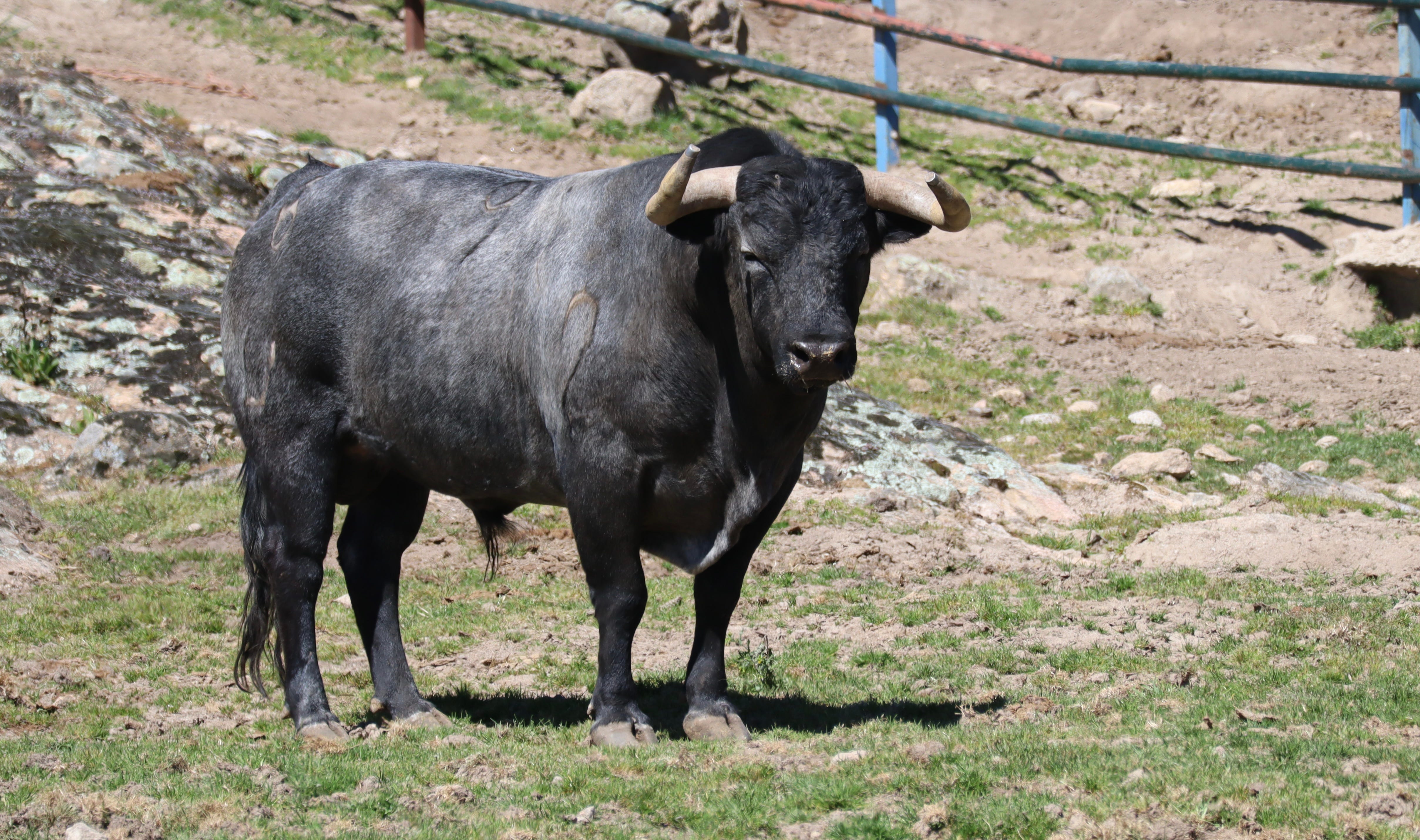
Half an hour north from the centre of Madrid, we stopped for coffee in a small town off the main road. Surrounded by ramshackle sheds and steadings, it was like falling out of modernity, with a constant movement of white storks passing back and forth overhead. Many of these massive birds were carrying sticks for their nests on the roofs of churches and spires, and high beyond them in a cold morning sky, vultures were circling. When we looked down the street to the low and rugged horizon, we saw oak forests, cattle and the jingle of goat bells. Madrid is a massive, modern city of almost four million people – and yet in what seemed like no time at all, we had thrown it far behind us.
We were heading for the famous ganaderia Flor de Jara, the point of origin for some of the mightiest and most celebrated fighting bulls in Spain. Seeing bulls killed last year in Bilbao and Santander, it was hard to make sense of the animals which burst from their gates into the ring. They felt like fodder or fuel, and if I had qualms about those evenings, they were based upon the pitiful anonymity of interchangeable black bulls which seemed to exist only for the length of time it took to kill them. The reality is that I didn’t know what I was looking at - and I hadn’t realised that there are several different ways to see bullfighting. Many observers are focussed upon the art and performance of the human actors, but there is an equal and parallel interest in the bulls themselves.
