
A Corncrake Calling
A tantalising missed connection with Hebridean folklore

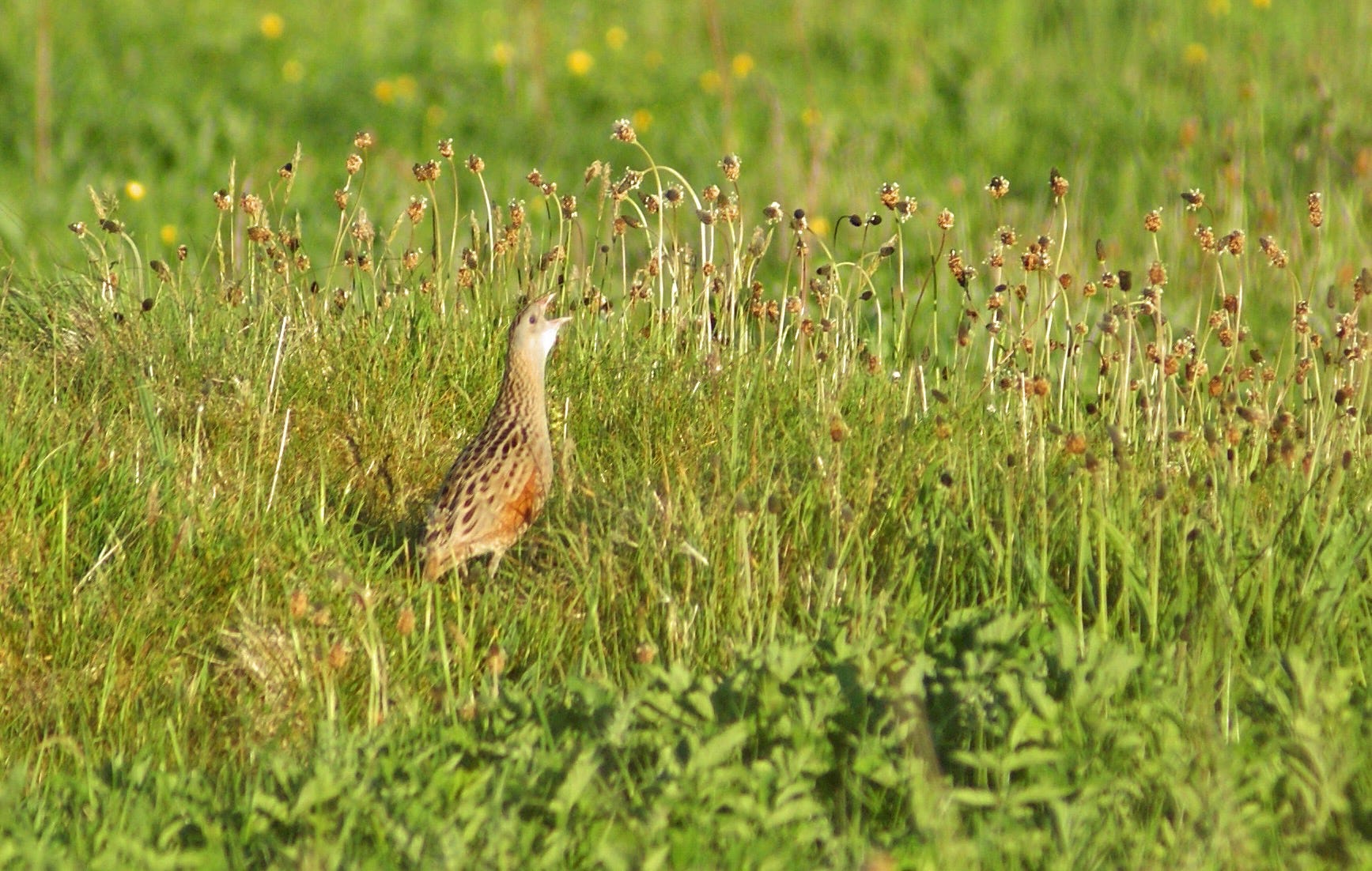
A cool wind moved through rising blades of iris leaves at Kildonan, halfway down the island of South Uist. A corncrake raked his way through an endless, repetitive glare of noise to match the grit of the road and the crunch of shells on the machair, and you almost never see these birds in person. You have to take them on trust and believe they exist because the sounds which rise from the summer grass are too much to be nothing.
Over the past century, corncrakes have been entirely extirpated from their former abundance across the UK. Mechanised farming has driven them to the brink, and now they exist only in places where it has been possible to slow the tide of progress. In that context, it’s tempting to think that the last few survivors have been slowly boxed and fenced out of their former glory to a point at which they’re all pressed into a few lonely outcrops on distant Scottish islands. In reality, corncrakes are strongly loyal to the place of their birth. They always go “home”, so the bird which called from the irises at Kildonan belongs to a tradition of birds which has always gone there. It hasn’t been chased away from better fields in Warwickshire or Worcestershire - for all it knows, there is no such place as England. It’s just doing what it’s always done, with no concept of the idea that it’s one of the last of its kind in western Europe; the sound of a place without any visible body.
